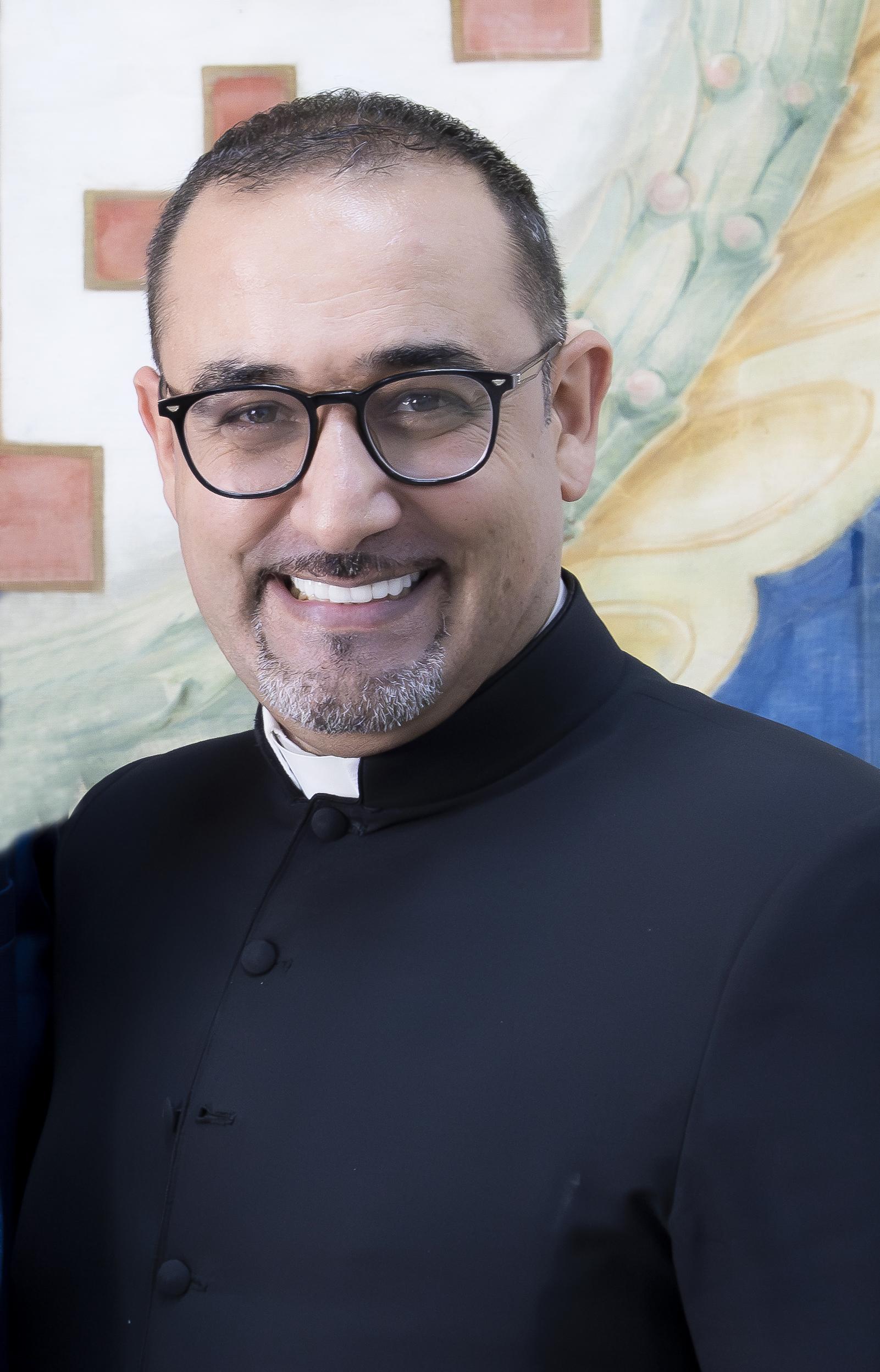
By Fr. Bashar Fawadleh*
In February 2026, the Israeli government approved a decision reshaping the system of control in the West Bank by transferring civil and administrative powers to direct Israeli institutions, reducing the role of the Palestinian Authority, expanding settlements, and tightening restrictions on construction and movement.
This decision is not a temporary administrative measure, but an effective shift toward long-term direct control, with profound political, legal, and humanitarian repercussions that threaten the future of the Palestinian presence—especially the historic Christian presence in the Holy Land.
Political and Legal Dimensions
Reports by the United Nations and the Office for the Coordination of Humanitarian Affairs (OCHA) confirm that cumulative Israeli policies have fragmented Palestinian geography and undermined the concept of self-rule. UN Security Council Resolution 2334 also affirms the illegality of settlements and rejects altering the demographic reality of the occupied territories.
International organizations such as Human Rights Watch and Amnesty International have documented systematic human rights violations in the occupied territories, describing the existing system as one based on institutional discrimination.
In this context, transferring administrative powers to Israeli authorities represents an additional step toward creeping annexation that empties any future political solution of its substance.
Humanitarian and Social Impact
Data from the World Bank and the United Nations indicate that restrictions on movement and the economy have contributed to rising poverty and unemployment rates, along with declining opportunities for development and investment.
House demolitions, military checkpoints, and restricted access to agricultural land are not temporary measures but sustained tools of pressure that exhaust society and push it toward forced or quasi-forced migration.
Here, law becomes an instrument of subjugation, and administration a means of collective punishment, in clear violation of the principles of justice and human dignity.
Under the shadow of these policies, loss is transformed from the loss of land into a continuous human drain, driving young people and families—especially Christians—to emigrate in search of lost security and an uncertain future.
Christian Villages and a Threatened Presence
Within this context, the Latin Patriarch of Jerusalem, Cardinal Pierbattista Pizzaballa, warned of the ongoing deterioration in the conditions of Christian villages, stating:
“The situation of church parishes in villages such as Taybeh, Zababdeh, and Aboud is extremely fragile and continuously worsening… The fragility is not only political but also economic, as Palestinians’ main sources of livelihood have stopped, and it is unclear when they will return.”
Church and regional studies also indicate a marked decline in the number of Palestinian Christians over recent decades due to political pressures and the absence of a viable future horizon.
Despite this, this small community continues to persevere, sustained by deep faith and strong family and ecclesial solidarity networks.
Taybeh as a Case Study
The town of Taybeh, east of Ramallah, represents a living model of this reality. It is the last entirely Christian town in the West Bank and faces land confiscation, settlement expansion, construction restrictions, and settler attacks.
UN reports confirm that areas surrounding Taybeh are experiencing rapid settlement expansion that threatens livelihoods and social stability while limiting prospects for natural development.
Christian and Theological Dimension
In Christian faith, land is not reduced to a geographical dimension but understood as a space for witness, dignity, and shared life. The Palestinian Christian is not a guest in this land but an integral part of its spiritual and human history.
Policies of displacement and home demolition fundamentally contradict the essence of the Gospel, which is grounded in justice, reconciliation, and the safeguarding of human dignity.
Theologically, demographic hemorrhage constitutes a wound in the body of the Church, as holy sites risk becoming places without a living community bearing witness to faith in its historical context.
Required Practical Steps
In light of this reality, expressions of concern alone are insufficient; practical action is needed through:
- Activating international church and human rights pressure to protect international law.
- Supporting the resilience of Christian villages economically through development projects and solidarity funds.
- Legally documenting violations in cooperation with international institutions.
- Strengthening church-based popular diplomacy and solidarity visits.
- Empowering youth through education, scholarships, and leadership programs to reduce emigration.
The recent Israeli decision threatens not only the viability of a future Palestinian state but also the very foundation of justice as the basis for any genuine peace. From a Christian perspective, this reality tests the credibility of religious discourse when confronted with tangible human suffering.
Peace is not built by force but by recognition of rights, safeguarding dignity, and respecting people in their land and history.
The story of Taybeh and other Palestinian villages confirms that what is happening is not an abstract political debate but a daily struggle for survival and identity. In the face of this reality, the Christian voice is called to be a voice of truth without ambiguity, for neutrality in the face of injustice is not an innocent position but a silent alignment.
*Parish Priest of the Latin Church in Taybeh — Latin Patriarchate of Jerusalem